



Product explanation
Sequences, demonstrations and visualisations that turn complex features or processes into an understandable story.
MOTION AND MOVEMENT SYSTEMS
We connect narrative, direction and production to explain products, guide attention and build a recognisable motion language across every channel.
MOVEMENT WITH A PURPOSE
Motion creates value when it reveals a relationship, sets a pace or leads to the next action. That is why we begin with the idea, audience and context—not an effect.

DIRECTION BEFORE EFFECTS
We define what stays, what changes and what the audience should perceive at each moment. That logic directs the script, timing, sound and visual execution.
WHERE MOVEMENT CREATES VALUE
The form changes with what the business needs to achieve: understanding, recall or forward movement.
Sequences, demonstrations and visualisations that turn complex features or processes into an understandable story.

A movement language that gives the idea energy and remains recognisable as duration, format or channel changes.
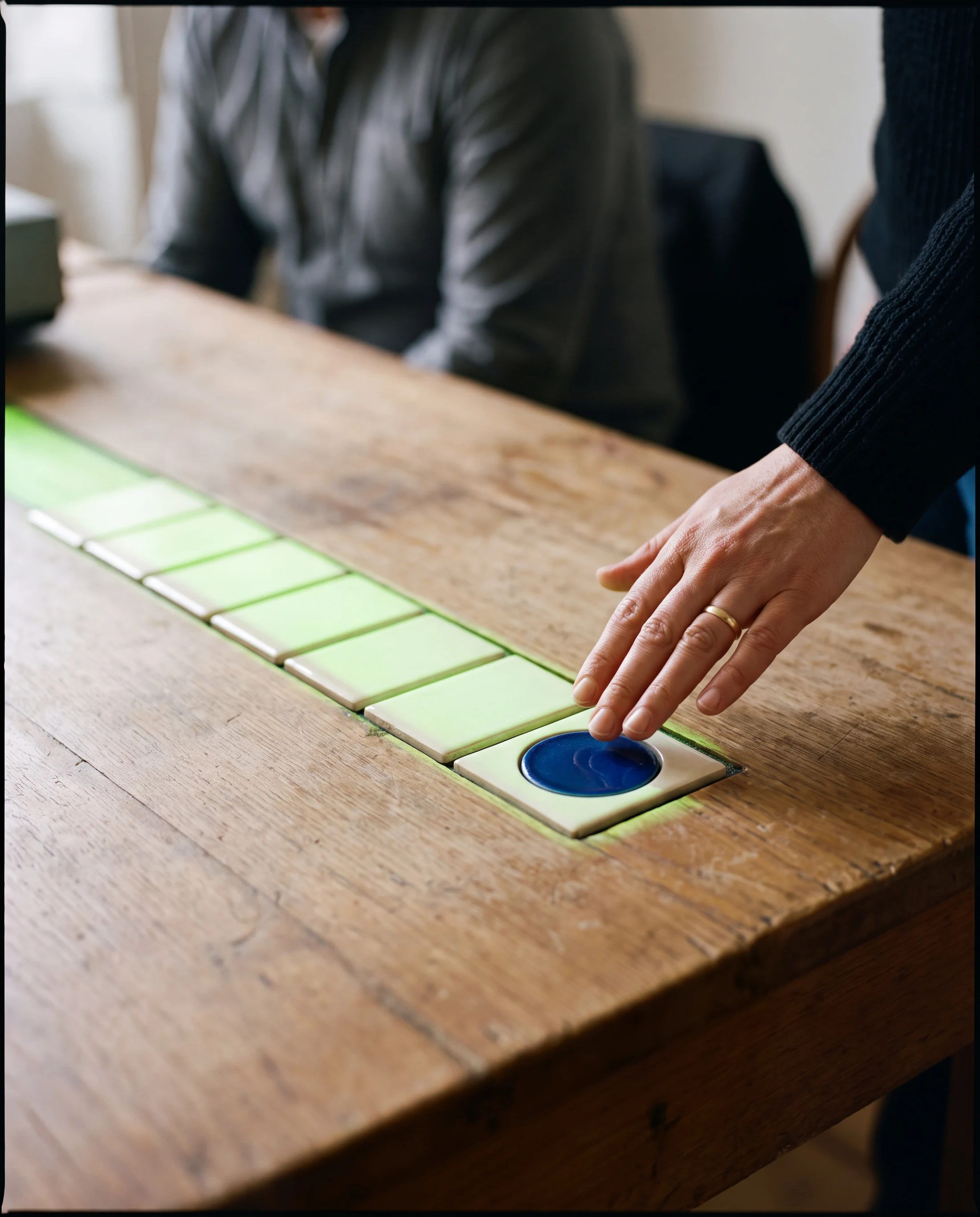
Transitions and signals that orient, confirm and help people know what is happening and what they can do next.
A SYSTEM THAT SURVIVES THE FORMAT
We build principles for pace, transition, behaviour and sound that can travel from film to interface, presentation or activation without losing coherence.
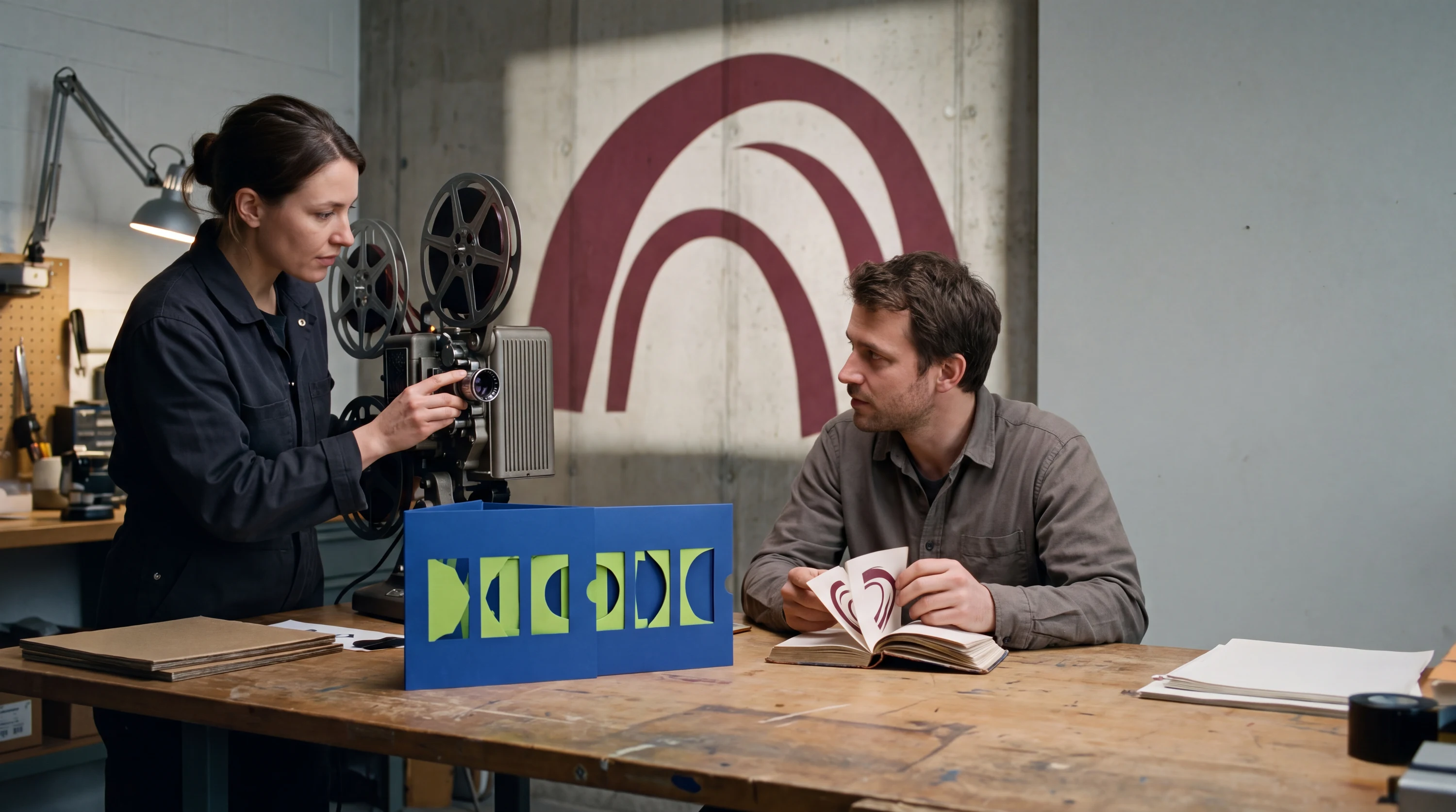
Visual principles, pace, references and behaviour.
Structure, sequence and message before production.
Assets and components designed to adapt.
Rules, files and criteria the team can use.
FLEXIBLE CAPABILITY
Kinetic identities, behaviour principles and transition systems.
Explainers, demonstrations, journeys and process visualisation.
Films, adaptations, advertising and connected format families.
Microinteractions, states, navigation and product motion.
Openers, stage content and visual narratives in motion.
A stable flow of direction, production, review and adaptation.
HOW WE WORK
The process keeps message, movement and production connected from the start.
Objective, audience, context and next action.
Idea, sequence, pace and narrative architecture.
Visual language, behaviour, sound and references.
Animation, editing, compositing and finishing.
Formats, versions, handoff and learning.