



Commercial proposition
Define the change we promise, who it is for, why it matters and what makes it credible.
CONCEPT DEVELOPMENT
We connect customer evidence, commercial ambition and creative judgement to build a recognisable proposition and territory that remains useful beyond a single asset.
BEFORE PRODUCTION
We start with what the business needs to move and what the audience still does not understand, believe or do. The concept turns that tension into a promise, point of view and logic of expression that can guide real decisions.
FIND THE TENSION
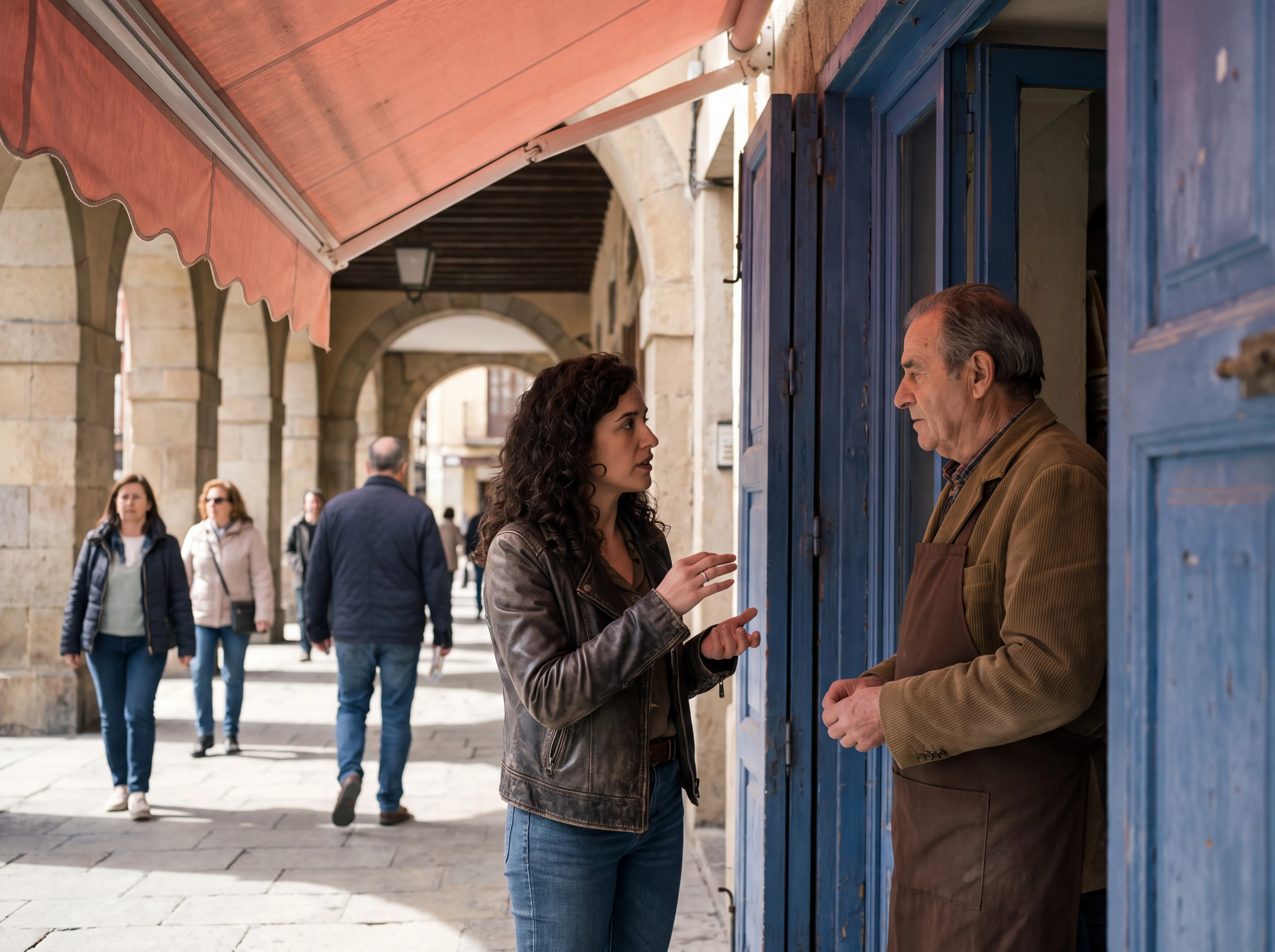
We bring together customer language, market signals, commercial conversations and product constraints. We look for the specific conflict separating the current situation from the decision we want to create.
PROPOSITION AND TERRITORY
The proposition defines the value and proof. The creative territory gives it a recognisable form: a relationship between language, image, material, rhythm and experience that teams can use without copying one execution.
Define the change we promise, who it is for, why it matters and what makes it credible.
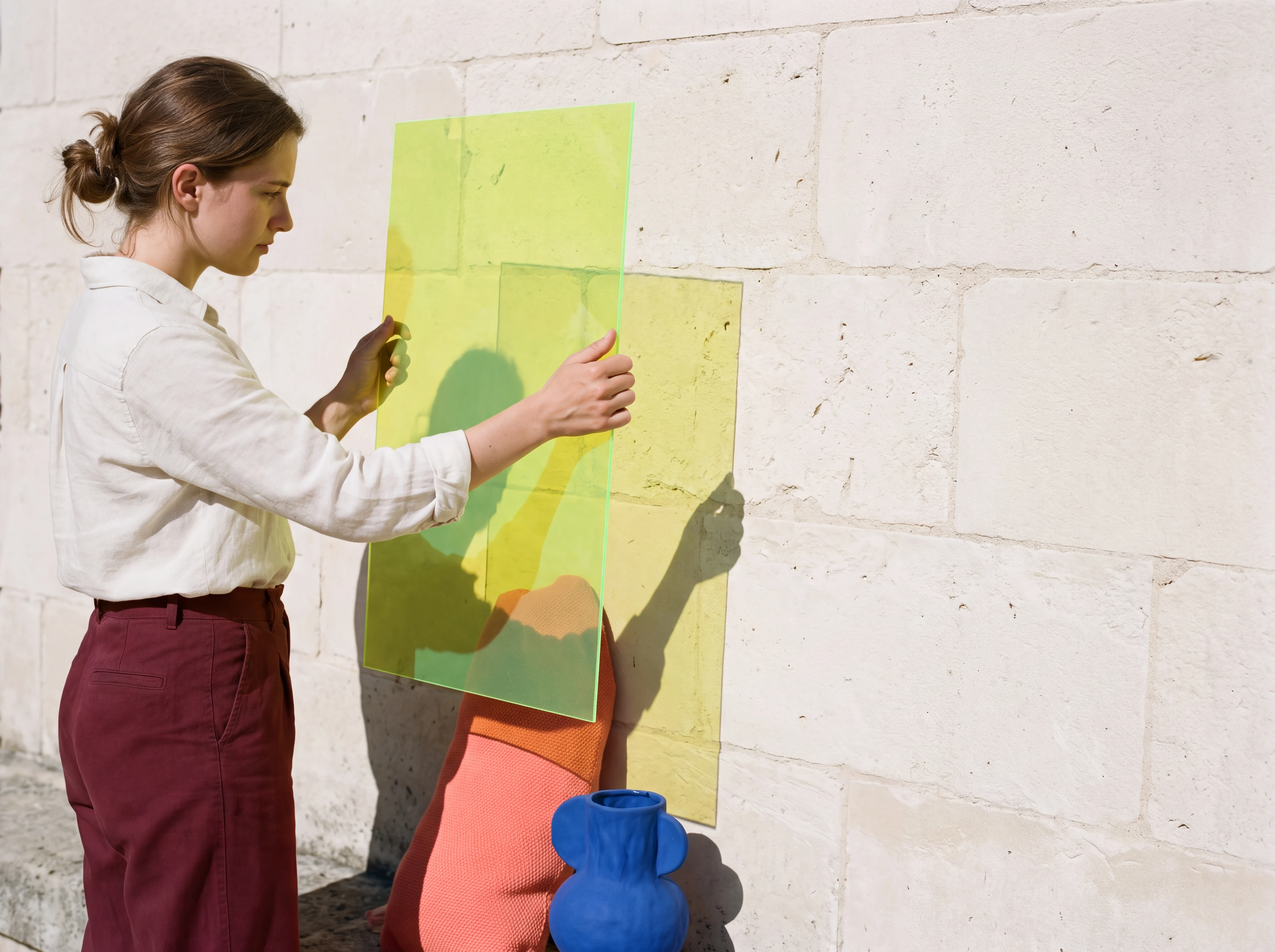
Explore the visual and narrative logic until the direction is distinctive, relevant and flexible enough to grow.
FROM IDEA TO SYSTEM
We translate the direction into messages, moments, behaviours and rules of expression. It can then live across campaign, launch, product, web, sales, content or physical space without becoming one repeated slogan.
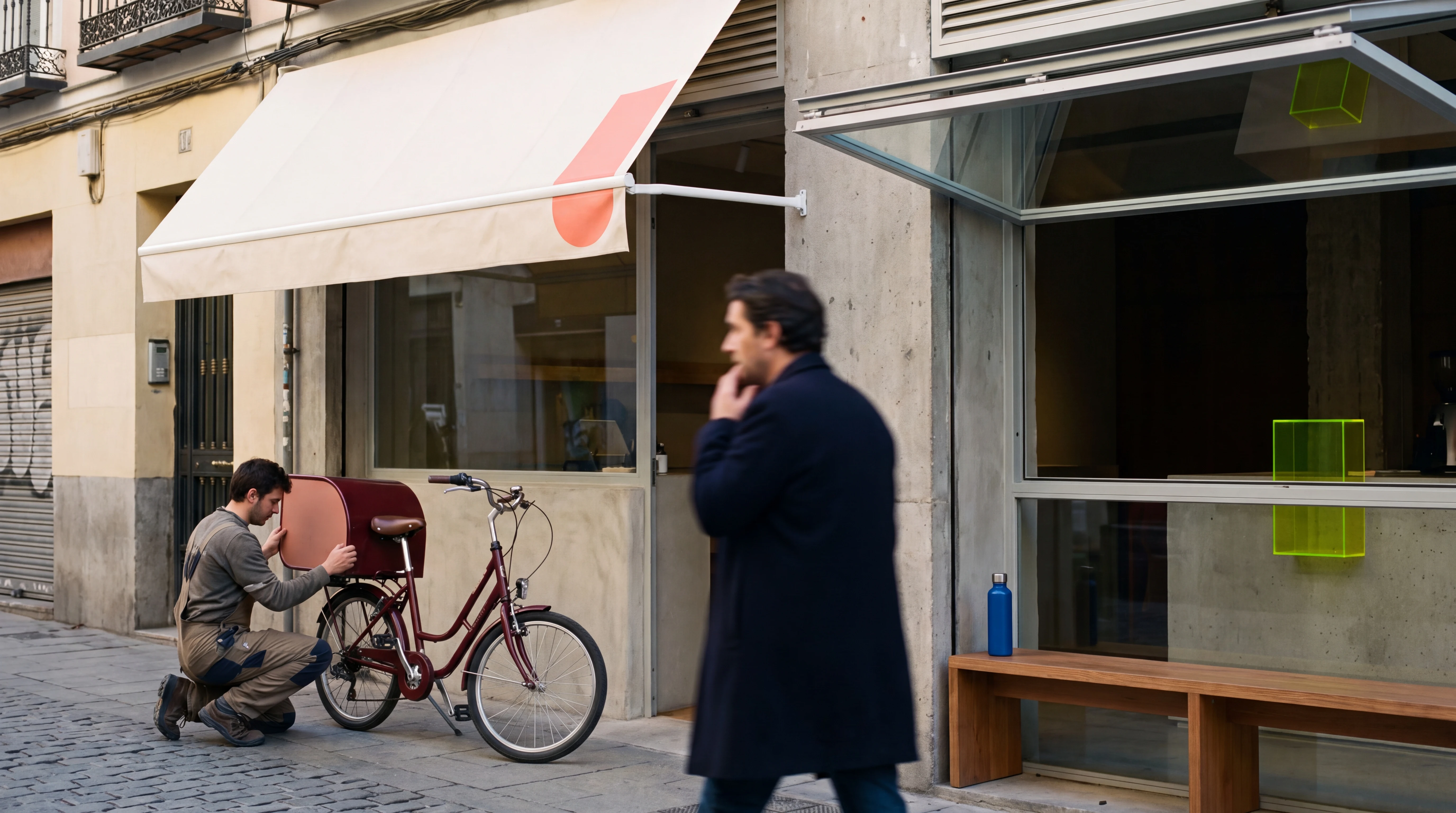
Promise, reasons to believe, tensions, proof and next actions organised by context.
What the audience should understand, feel and do at each important moment.
Visual, narrative and behavioural principles that keep the direction recognisable.
Priority applications, initial formats and criteria for extending the concept coherently.
CONFIGURABLE SCOPE
The scope changes with the problem. We can focus on a proposition, build a campaign territory or create the conceptual foundation for a new offer, product or experience.
A central idea and activation logic able to connect formats, channels and moments.
Proposition, narrative and sequence for introducing an offer or product with a clear reason to pay attention.
Promise, differentiation, proof and language that make a complex decision understandable.
A narrative and visual space that expands the brand without turning it into a collection of styles.
A guiding principle connecting product, service, communication and touchpoints.
Qualitative review, prototypes and criteria that strengthen the direction before it scales.
HOW WE WORK
We are not looking for a volume of ideas. We build a decision that can be defended, tested and executed.
Commercial objective, audience, context, constraints and the decision that must change.
Evidence, language, tensions and opportunities that deserve to become a direction.
Truly different conceptual routes—not cosmetic variations of the same idea.
Proposition, territory, principles and first applications that prove the system.
Briefs, rules, ownership and criteria for production, learning and evolution.